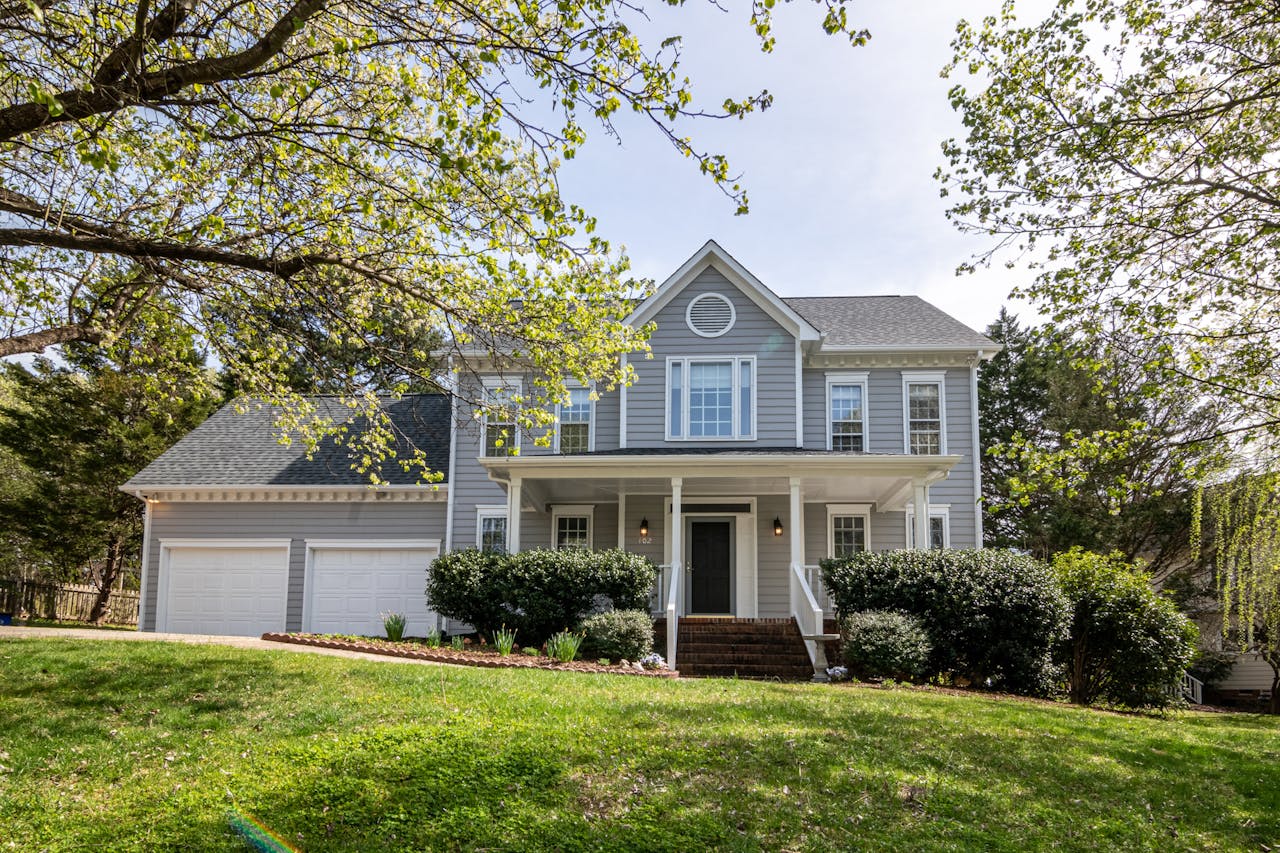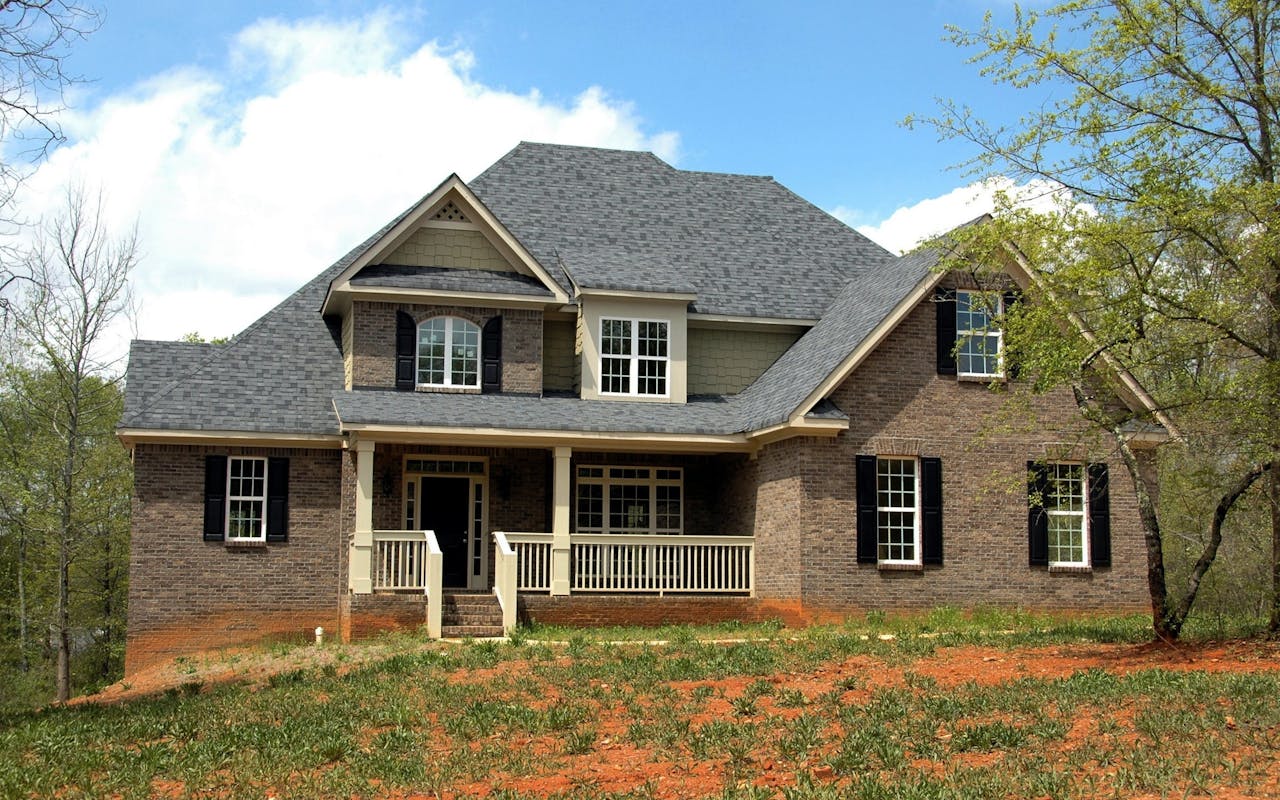
For many families across North Carolina, the dream of owning a home feels just out of reach. Rising property values in cities like Charlotte, Raleigh, and Durham, combined with stricter lending requirements, have left countless renters wondering if they will ever be able to transition into ownership. Lease-to-own homes, also known as rent-to-own agreements, have emerged as a creative solution to bridge this gap. They offer a way for tenants to live in the home they hope to purchase while gradually preparing themselves financially for the day they sign the deed. In this article, we’ll explore how lease-to-own homes work in North Carolina, why they are becoming more popular, and what both opportunities and risks they present.
Understanding Lease-to-Own in North Carolina
At its core, a lease-to-own agreement combines two contracts: a rental lease and an option to purchase. The tenant agrees to rent the property for a set period, often two to five years, while also securing the right to buy the home at a predetermined price once the lease term ends. During this time, a portion of the monthly rent may be credited toward the eventual purchase, creating a pathway to ownership without the immediate need for mortgage approval.
In North Carolina, these agreements are particularly appealing because they allow renters to lock in today’s housing prices in markets that are steadily appreciating. For example, in Charlotte, where demand continues to surge, securing a rent-to-own contract can protect buyers from future price hikes while giving them time to strengthen their credit or save for a down payment.
The Step-by-Step Process
The journey begins with identifying a property that offers a lease-to-own option. Not all homes are available under this arrangement, so prospective buyers often work with specialized real estate agents or companies that focus on rent-to-own programs. Once a property is selected, the tenant and landlord negotiate the terms of the lease and the purchase option.
Typically, the tenant pays an upfront option fee, which secures their right to buy the home later. This fee is usually non-refundable but may be applied toward the purchase price. The tenant then moves in under a standard lease agreement, paying monthly rent. In many cases, a portion of this rent is set aside as a credit toward the eventual purchase. Over time, these credits accumulate, reducing the amount the tenant will need to finance when the purchase date arrives.
When the lease term ends, the tenant has the choice to exercise their option and buy the home. If they are ready—having improved their credit, saved enough for a mortgage, or simply decided the home is right for them—they proceed with the purchase. If not, they may walk away, though they will typically forfeit the option fee and any rent credits.
Advantages for North Carolina Residents
Lease-to-own homes offer several distinct advantages in the Tar Heel State. First, they provide flexibility for buyers who may not yet qualify for traditional financing. Someone with fair credit or limited savings can move into a home now, while working toward financial readiness over the lease term.
Second, these agreements allow tenants to lock in a purchase price. In rapidly growing areas like Raleigh-Durham, where tech industry expansion has fueled housing demand, this can be a significant benefit. Buyers avoid the risk of being priced out of the market in a few years.
Third, lease-to-own arrangements give families stability. Children can remain in the same schools, and households can settle into neighborhoods without the uncertainty of frequent moves. For many, this stability is as valuable as the financial benefits.
Risks and Considerations
Despite their appeal, lease-to-own homes are not without risks. Tenants must carefully review contracts to ensure they understand the terms. For example, if they fail to purchase the home at the end of the lease, they may lose the option fee and any accumulated rent credits.
Additionally, the purchase price is typically set at the beginning of the lease. While this can be advantageous in a rising market, it may be less favorable if property values decline. Tenants could find themselves obligated to pay more than the home is worth.
Maintenance responsibilities can also be a gray area. Some contracts require tenants to handle repairs as if they already owned the home, while others leave these duties to the landlord. Clear communication and legal review are essential to avoid disputes.
Finally, tenants must be realistic about their ability to secure financing when the lease ends. If credit scores or income levels do not improve as planned, they may be unable to obtain a mortgage, leaving them without the home they hoped to buy.
The North Carolina Market Context
North Carolina’s housing market provides fertile ground for lease-to-own arrangements. Urban centers like Charlotte and Raleigh are experiencing rapid growth, driven by finance, tech, and healthcare industries. This growth has pushed home prices upward, making traditional ownership more challenging for first-time buyers.
At the same time, smaller cities and rural areas offer more affordable options, but buyers may still struggle with lending requirements. Lease-to-own agreements allow residents across the state to secure housing while preparing for ownership, whether they are in bustling metropolitan areas or quieter communities.
The diversity of North Carolina’s housing stock also supports this model. From suburban townhouses to single-family homes in rural counties, lease-to-own opportunities can be tailored to different lifestyles and budgets. For those actively searching, it’s important to know where to look and how to find the best rent to own homes in North Carolina that match both financial goals and personal preferences.
Who Benefits Most
Lease-to-own homes are particularly well-suited for individuals and families who are motivated to buy but need time to prepare. Young professionals building credit, families saving for a down payment, and newcomers to the state who want to test a neighborhood before committing all find value in this arrangement.
Investors and landlords also benefit. They receive steady rental income, upfront option fees, and often more responsible tenants who treat the property with care, knowing they may one day own it. This win-win dynamic explains why lease-to-own homes are gaining traction across North Carolina.
Conclusion
Lease-to-own homes in North Carolina represent more than just a financial arrangement; they are a bridge between renting and owning, offering hope to those who feel locked out of the traditional housing market. By combining the stability of renting with the promise of ownership, these agreements empower families to take control of their housing future.
For residents of Charlotte, Raleigh, Greensboro, and beyond, lease-to-own homes provide a practical pathway to homeownership without the immediate stress of bank approvals. While risks exist, careful planning and informed decision-making can make this model a powerful tool for achieving the dream of owning a home in the Tar Heel State.