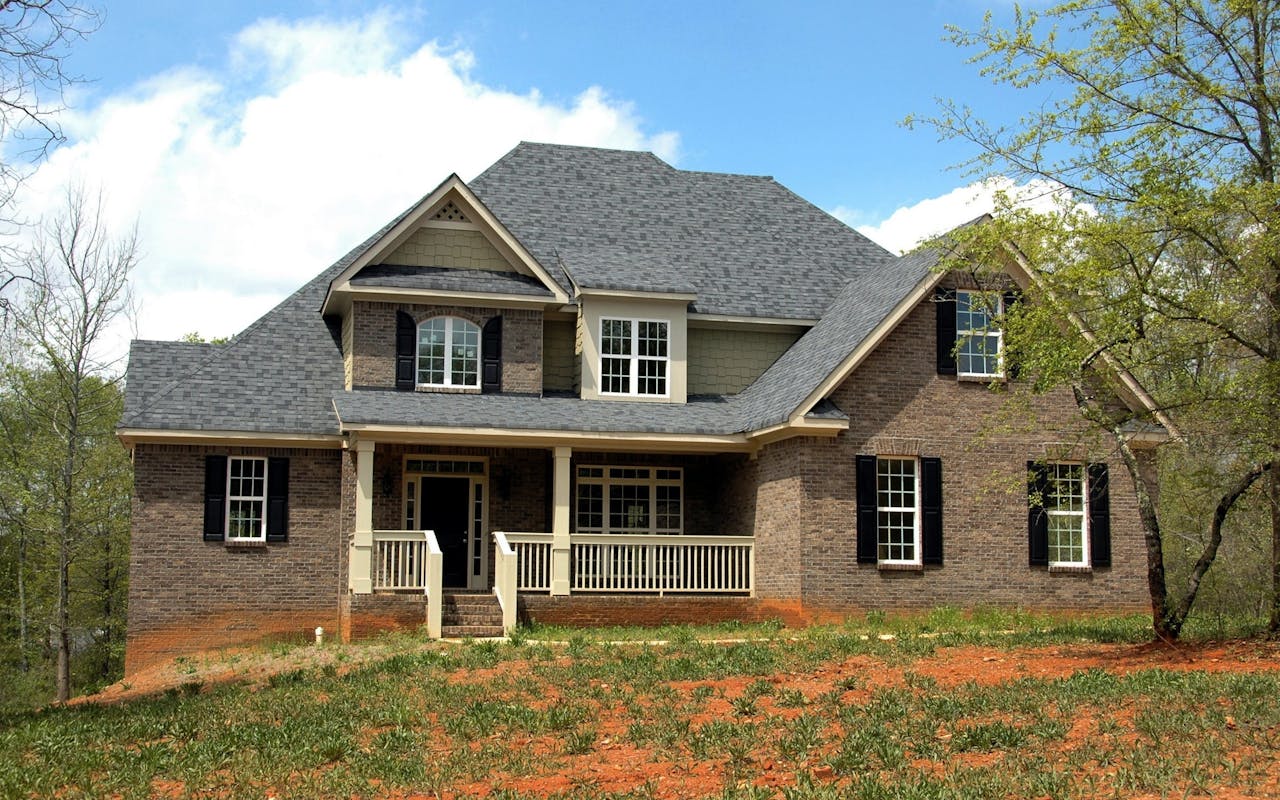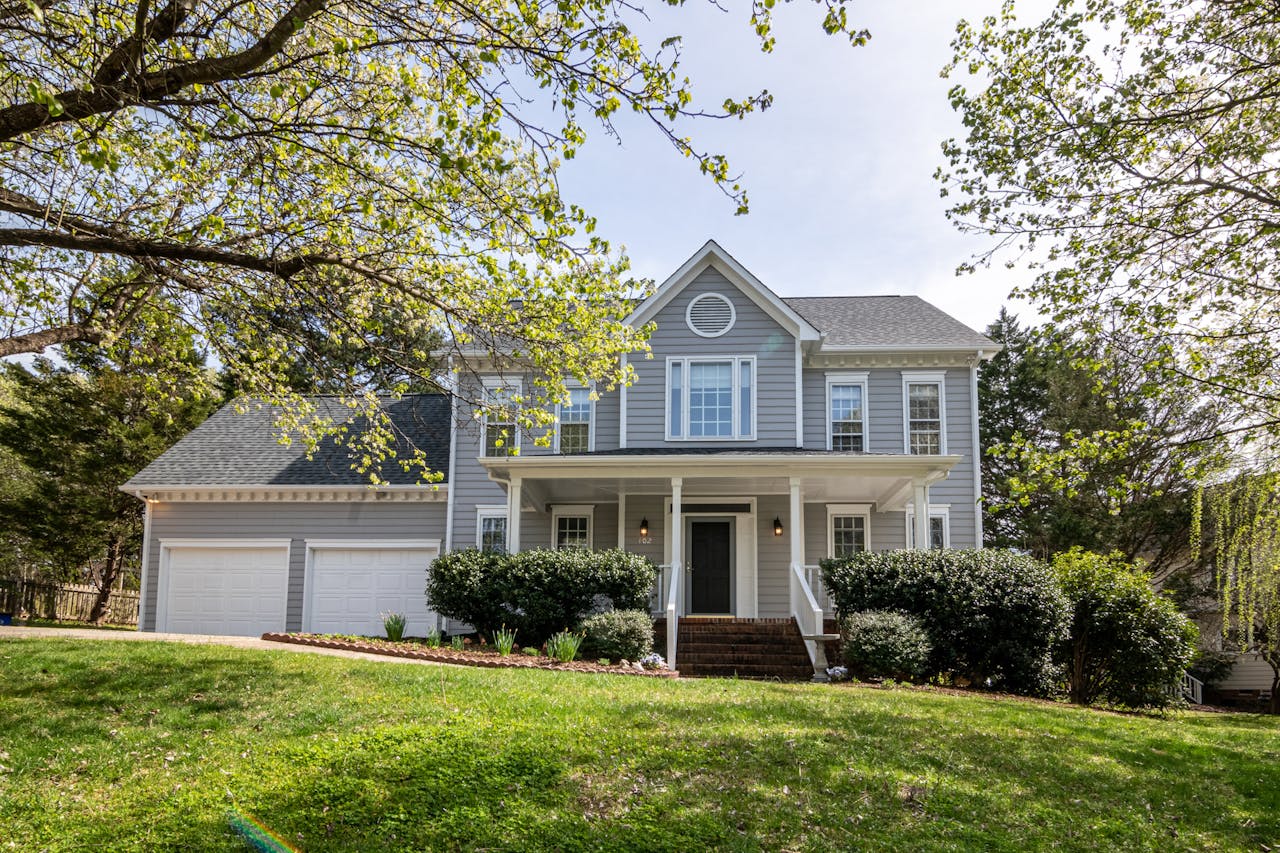
The housing market in North Carolina has become increasingly competitive, with rising property values in cities like Charlotte, Raleigh, and Durham making traditional homeownership more difficult for many families. For those who feel locked out of the market due to credit challenges, limited savings, or uncertainty about long-term plans, lease-to-own homes—often referred to as rent-to-own agreements—offer an alternative path. But who exactly are these homes designed for? Understanding the target audience for lease-to-own arrangements in North Carolina reveals how this model serves diverse groups, from young professionals to retirees, and why it continues to grow in popularity across the state.
First-Time Buyers Seeking a Pathway
One of the primary groups that lease-to-own homes serve in North Carolina is first-time buyers. Many young adults and families aspire to own property but face obstacles such as student loan debt, limited credit history, or insufficient down payments. Lease-to-own agreements allow them to move into a home immediately while working toward financial readiness. By paying rent that includes credits toward the eventual purchase, they can build equity over time. This arrangement provides stability and a clear path forward, making it particularly appealing for those who might otherwise remain renters indefinitely. In fast-growing markets like Raleigh-Durham, where home prices continue to climb, locking in a purchase price through a lease-to-own contract can be the difference between achieving ownership and being priced out.
Families Looking for Stability
Lease-to-own homes also cater to families who value stability. Renting often comes with the risk of frequent moves, changes in landlords, or rising rents. For parents, this instability can disrupt children’s education and community ties. A lease-to-own agreement offers the security of knowing that the home they live in could become theirs in the future. Families can settle into neighborhoods, establish roots, and provide consistency for their children while preparing financially for ownership. In North Carolina’s suburban communities, where family life is central, this stability is a powerful incentive.
Buyers with Credit Challenges
Another group that benefits from lease-to-own homes in North Carolina is individuals with imperfect credit. Traditional mortgage lenders often require high credit scores and strict financial documentation, leaving many potential buyers excluded. Lease-to-own agreements provide time to repair credit while living in the desired home. Tenants can use the lease period to pay down debts, improve credit scores, and position themselves for mortgage approval when the option to purchase arises. For residents who may have faced financial setbacks but are committed to rebuilding, this model offers hope and a tangible path toward ownership.
Newcomers Testing Communities
North Carolina has become a magnet for newcomers, from professionals relocating for jobs in the tech and finance sectors to retirees seeking a more affordable lifestyle. For those unfamiliar with the state’s diverse regions, lease-to-own homes provide a way to test communities before committing to long-term ownership. Someone moving to Charlotte for work may want to experience life in different neighborhoods before deciding where to settle permanently. Similarly, retirees exploring coastal towns like Wilmington can use lease-to-own agreements to try out the lifestyle before making a final purchase. This flexibility makes the model attractive to those who want to ensure they are making the right choice for their future.
Retirees Downsizing with Caution
Retirees represent another demographic well-suited to lease-to-own homes in North Carolina. Many older adults seek to downsize from larger properties to smaller, more manageable homes. However, they may be cautious about committing to a purchase without fully experiencing the new lifestyle. Lease-to-own agreements allow retirees to transition gradually, giving them time to adjust while securing the option to buy. This approach reduces financial pressure and provides peace of mind, especially for those living on fixed incomes. In smaller towns and rural areas, where retirees often relocate for affordability and tranquility, lease-to-own homes offer a practical solution.
Investors Seeking Reliable Tenants
While much of the focus is on tenants, lease-to-own homes also serve investors and landlords. Property owners benefit from tenants who are more invested in the property, knowing they may one day own it. This often results in better maintenance and lower turnover. Investors receive steady rental income, upfront option fees, and the potential for profitable sales when tenants exercise their purchase options. Even if tenants choose not to buy, investors retain the fees and can re-list the property, often at a higher market value. In North Carolina’s growing urban centers, this model provides a reliable and profitable strategy for property owners.
Communities in Transition
Lease-to-own homes also play a role in communities undergoing transition. As neighborhoods in cities like Charlotte and Greensboro experience revitalization, lease-to-own agreements allow residents to participate in growth without immediate financial strain. Tenants can secure homes in areas poised for appreciation, ensuring they benefit from rising values when they eventually purchase. This dynamic supports community development by encouraging long-term investment and stability among residents who might otherwise be displaced by rising costs.
The Win-Win Nature of Lease-to-Own
What makes lease-to-own homes particularly effective in North Carolina is their ability to serve multiple groups simultaneously. Buyers gain stability, equity-building opportunities, and a pathway to ownership, while investors enjoy reliable income and reduced risk. Families, young professionals, retirees, and newcomers all find value in the model, making it a versatile solution in a diverse housing market. This win-win nature strengthens communities and contributes to a more inclusive housing landscape across the state.
Conclusion
Lease-to-own homes in North Carolina are not designed for one specific group—they are for anyone seeking a bridge between renting and owning. From first-time buyers and families to retirees and newcomers, these agreements provide flexibility, stability, and opportunity. They empower residents to take control of their housing journey while offering investors a profitable and secure strategy.
In a state where housing demand continues to rise, lease-to-own homes represent a practical solution that meets the needs of diverse populations. Whether you are repairing credit, testing a community, downsizing, or simply striving for stability, this model offers a pathway forward. For those ready to take the next step, now is the time to explore opportunities and find the best rent to own homes in North Carolina, turning the dream of ownership into reality.